
Clearpost alternative: why Blogtude might be the better fit


Table of contents
1. What ClearPost does and where it hits its limits
2. How Blogtude approaches content differently
3. Choosing the right tool for your situation
If you have been searching for a ClearPost alternative, you already know the frustration. You want a tool that does more than push words onto a page. You want something that thinks about your content strategy, researches topics properly, writes articles that actually rank, and then publishes them without you babysitting every step. ClearPost is a WordPress plugin that automates AI-generated blog posts inside the WordPress dashboard. It is solid for WordPress users who want a lightweight, plugin-based solution. But it has real limitations, and those limitations matter a lot depending on how serious you are about growing organic traffic. This article breaks down what ClearPost does well, where it falls short, and why Blogtude might be the better fit for your situation.
What ClearPost does and where it hits its limits
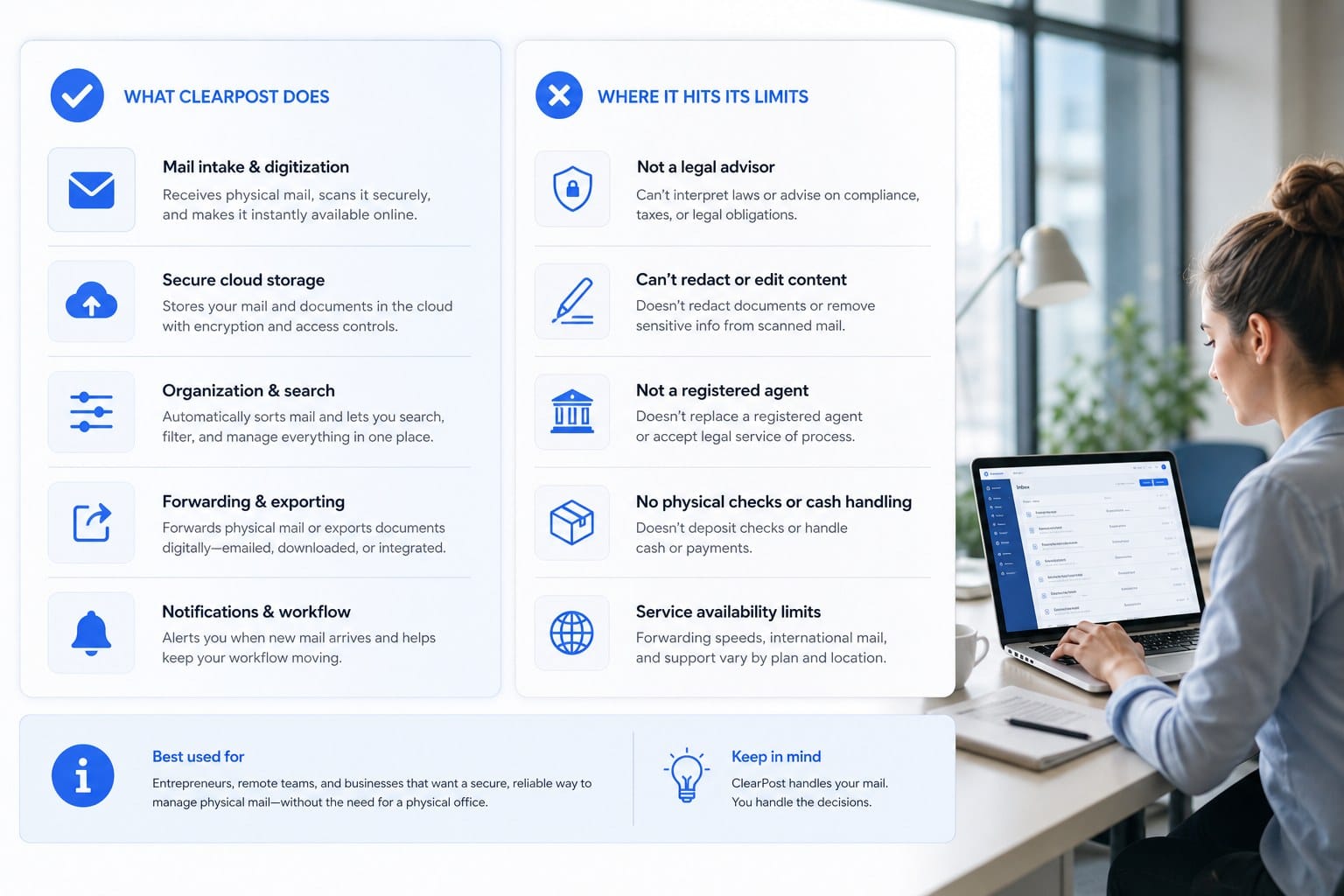
ClearPost is a cloud-based WordPress plugin. It scans your site, studies competitor content, identifies keywords, and then writes and publishes SEO-optimized blog posts automatically from inside your WordPress dashboard. For a lot of small business owners and solopreneurs, that pitch sounds perfect. You install a plugin, set some preferences, and content appears on your blog. No agency fees, no freelancer back-and-forth.
That is genuinely useful, and it deserves credit for solving a real problem. But once you dig into how it actually works, the boundaries become clear pretty fast.
It only works on WordPress.
ClearPost is built for WordPress and only WordPress. If you run your blog on Ghost, Webflow, Squarespace, or any other platform, ClearPost is simply not available to you. You would need to migrate your entire site to WordPress just to use it. That is a major ask, especially if you chose Ghost specifically for its clean editor, fast performance, and built-in membership features. A lot of serious publishers have moved to Ghost for exactly those reasons, and asking them to abandon the platform is a deal-breaker before the conversation even starts.
It automates posts, not strategy.
The automation ClearPost offers lives inside your WordPress admin panel and operates within the constraints of the WordPress ecosystem. That is plugin-level automation, which is a fundamentally different thing from content strategy. It does not think about your publishing calendar across an entire month. It does not build a 30-day plan that maps content to your business goals, your sales funnel stages, or your audience's search intent at different points in the buying journey. It generates individual posts. Generating posts and building a strategy are not the same thing, and confusing the two is one of the main reasons blogs stall out after a few months of publishing.
Here is a practical way to see the difference. If you ask ClearPost to write about project management software, it will find a keyword and produce an article targeting that keyword. If you ask a proper content strategy tool the same question, it will ask: what does your audience already know, what stage of awareness are they at, what related topics should surround this article so that they all reinforce each other, and what internal linking structure will help search engines understand that your site is an authority on this subject? Those are different questions, and they produce very different results.
Research depth is a real concern in competitive niches.
Automated content tools that operate at plugin speed tend to pull from surface-level data. They look at keywords and scan competitor pages, which is a starting point. But ranking in 2025 requires articles that go deeper than the first page of Google results. Search engines have gotten significantly better at rewarding content that demonstrates real expertise, covers a topic comprehensively, and earns links because it is genuinely useful to readers. A plugin that cranks out posts quickly is not always the same thing as a tool that produces deeply researched, authoritative content. If your niche is competitive, surface-level coverage will not get you onto page one.
Visuals are not part of the package.
Blog articles that perform well in search and earn shares on social need images that fit the brand. Stock photos dropped onto every post look generic and can actually undercut how professional your content feels. ClearPost does not handle visuals. That means after each article is generated, you are spending additional time sourcing or creating images before the post is ready to publish. That extra step adds up fast when you are trying to maintain a consistent publishing cadence.
The strategy problem remains unsolved.
This one matters most for SaaS founders and digital marketers managing brand blogs. Knowing which individual keywords to target is just the beginning of content marketing. The harder and more important question is: which topics should I cover this month, in what order, linked to each other in what structure, to build real topical authority in my niche? That is a content architecture question, and a plugin cannot answer it for you. It takes research into your audience, your competitive landscape, and your site's current authority level to answer it well.
None of this means ClearPost is a bad tool. It is a reasonable option for a WordPress site owner who wants automated posting and is not focused on building a deep content moat. But if your goals go beyond that, you need something built differently from the ground up.
How Blogtude approaches content differently
Blogtude is not a WordPress plugin. It is an AI-powered blog content engine, and that distinction matters more than it might sound on the surface.
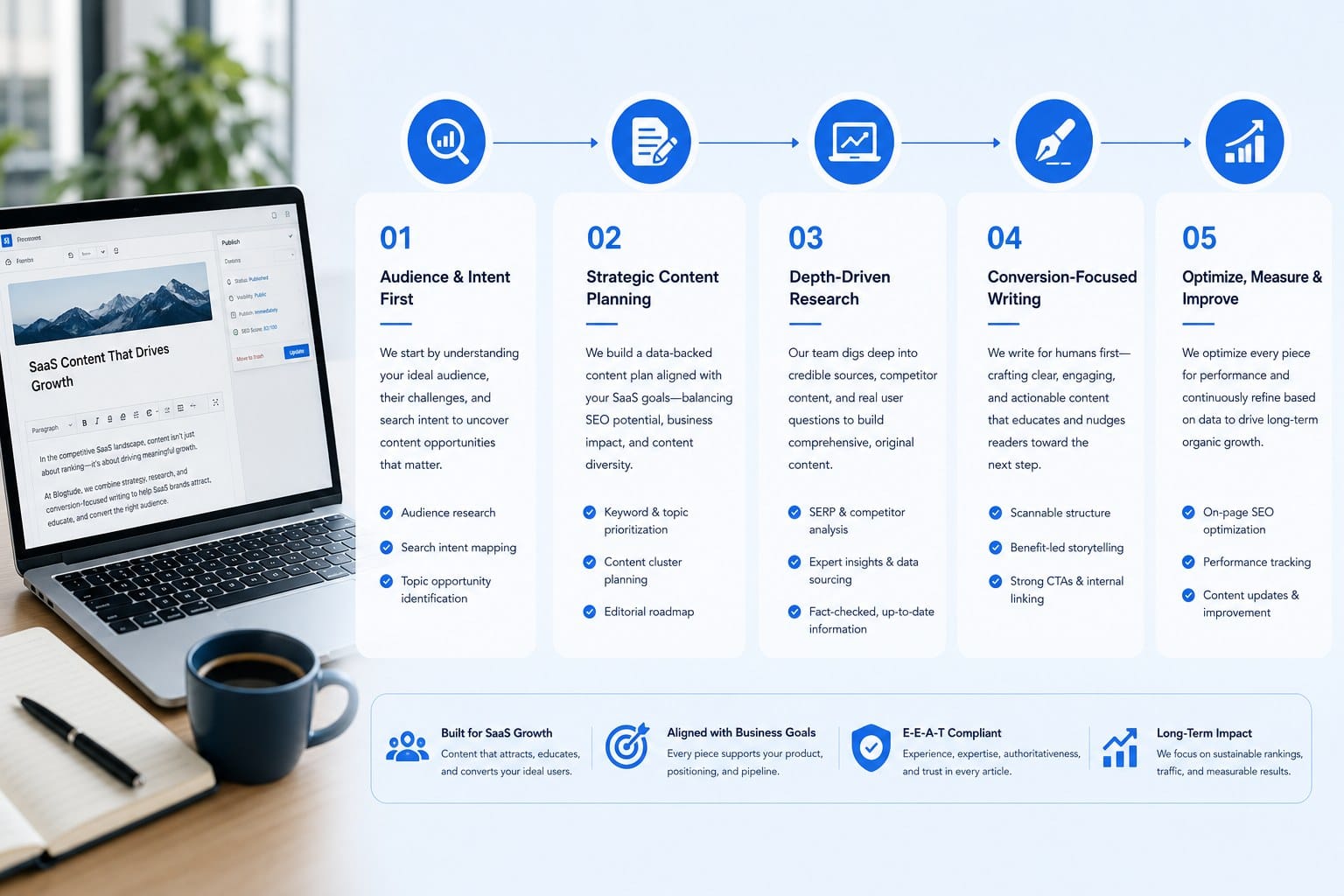
The core difference is that Blogtude starts at the strategy layer, not the article layer. When you use Blogtude, it does not just pick a keyword and generate a post. It builds a full 30-day content strategy for your blog. That strategy maps out which topics to cover, in what sequence, with what internal linking structure, so that your blog builds topical authority over time rather than publishing isolated articles that never connect to each other or reinforce a coherent subject area.
Why topical authority is the thing that actually moves rankings.
Google has moved well past the era of ranking individual pages based on keyword density or simple on-page signals. Today, sites that cover a subject area comprehensively, with clusters of related content that link to each other intelligently, consistently outrank sites that publish random articles targeting individual keywords. If you want to understand why your blog might already be struggling with traffic despite regularly publishing content, the explanation often comes down to this exact issue. You can read more about it in The real reason your blog is getting no organic traffic, which walks through the structural reasons most blogs stall out before they gain real traction.
The logic is straightforward. When your site has ten articles that all cover different angles of the same core topic, each linking to the others, search engines get a clear signal that your site is a serious resource on that subject. When your site has ten articles on ten unrelated topics, each one has to fight for rankings on its own without any support from the others. The first approach builds an asset. The second approach builds a collection.
Long-form, deeply researched articles, not AI summaries.
Once the strategy exists, Blogtude produces the articles themselves. These are not short 500-word AI summaries. They are long-form, deeply researched pieces designed to cover a topic with enough depth to compete in real search results. Long-form content consistently outperforms shorter content in organic search for competitive keywords because it signals expertise, covers a topic more completely, and tends to earn more links and engagement over time. The articles Blogtude produces are built to rank, not just to fill a content calendar.
On-brand visuals included.
Blogtude handles visuals as part of the content it produces. The articles come with images that match your brand identity, which means you are not spending additional hours hunting for stock photos or asking a designer to create graphics for every post before it can go live. The visual layer is built into the workflow, so what comes out the other end is a complete, publish-ready article rather than a draft you still need to dress up.
Ghost CMS integration as a first-class feature.
Blogtude integrates directly with Ghost and other CMS platforms to publish content automatically. If you are a Ghost CMS user, this is a significant advantage that almost nothing else in this category offers. Ghost is an excellent platform for serious publishers, and Blogtude treats it as a first-class integration rather than an afterthought. You do not need to change platforms or add extra steps to your workflow. If you are still deciding whether Ghost is the right home for your content, Ghost CMS review: is it the right platform for serious bloggers gives an honest look at who it suits best and where its limitations show up.
A concrete example of the difference.
Imagine you run a small software company selling project management tools for remote teams. You want to build organic traffic but you do not have a content team and you cannot afford to spend 20 hours a week writing and publishing articles.
With a plugin-based approach, you might get three posts a week on loosely related topics: productivity tips, remote work tools, team communication strategies. They might target relevant keywords. But they probably do not form a coherent cluster that builds your authority on any specific subject area. Each article is essentially on its own.
With Blogtude, you start with a 30-day strategy built around your audience and your business goals. That strategy might identify remote team management as your core topic cluster, with supporting articles on async communication, time zone coordination, project status updates, retro meeting formats, and onboarding remote hires. Each article links to the others. Over 30 days, you publish a cluster of content that sends a clear signal to search engines that your site is a serious resource on this topic, not just a site that occasionally mentions it. That is a fundamentally different output, even though the surface description sounds similar: both tools publish AI-written blog posts.
Consistency as a system, not a personal discipline.
One of the most underrated factors in content marketing success is consistency. Most blogs fail not because the individual articles are bad but because publishing stops. Life gets busy, a product launch takes over, priorities shift, and the blog goes quiet for six weeks. Search engines notice. Audiences notice. The traffic that was building starts to decay.
An automated content engine that keeps publishing on schedule, even when you are deep in a sales push or a product release cycle, solves a real operational problem. Blogtude keeps the content engine running without requiring your attention for every individual piece.
For independent bloggers who want to scale publishing without hiring, Blogtude also compresses the most time-consuming parts of content production into a single workflow. The research, the writing, the formatting, the images, the publishing, it all happens without you managing each step. If you want to extract even more value from each article the engine produces, How to repurpose one blog post into 10 pieces of content shows how to turn your long-form posts into social content, newsletters, short-form video scripts, and more. The articles Blogtude produces are detailed enough that repurposing them is actually worth doing, which is not always true of short AI-generated content.
Choosing the right tool for your situation
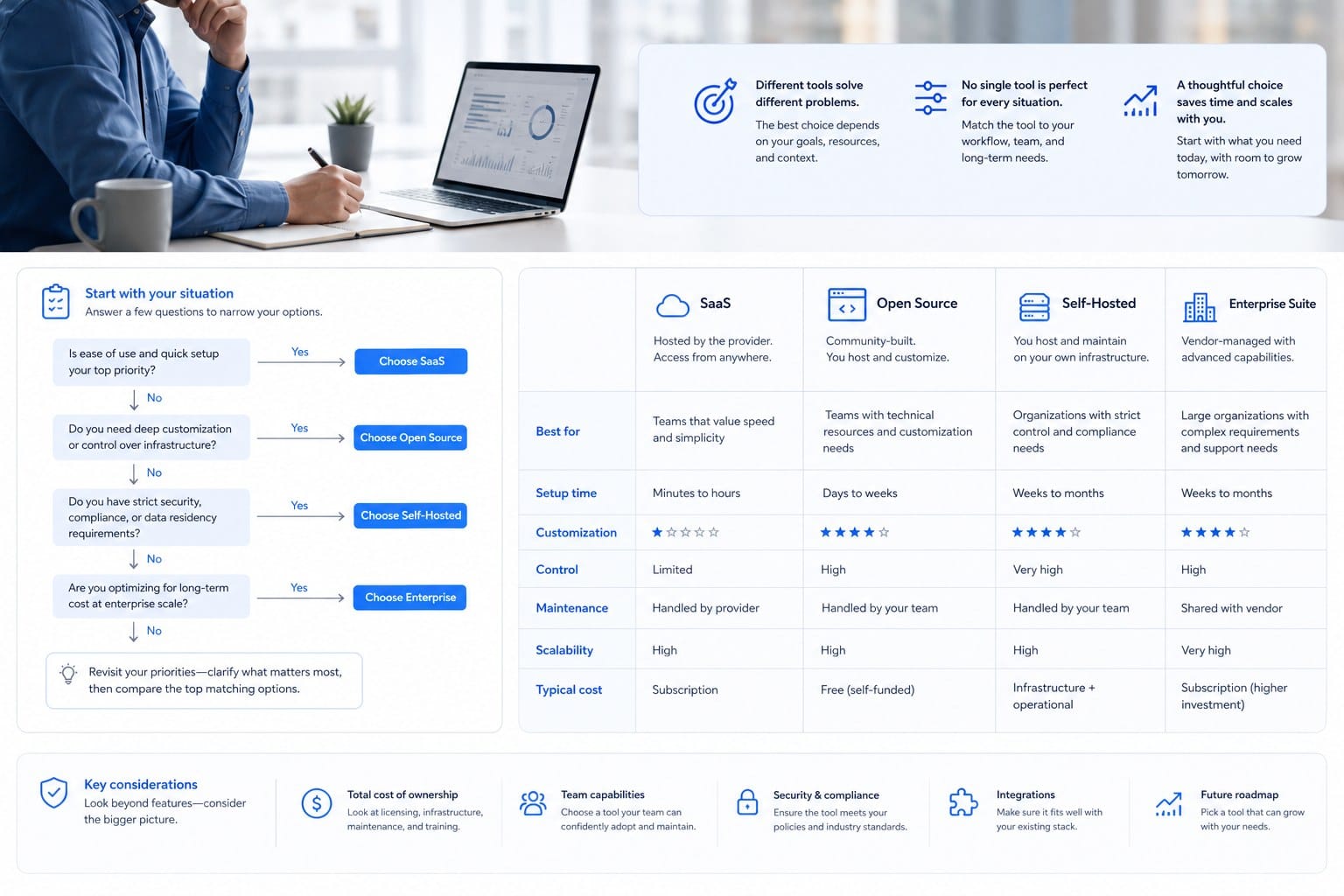
The best way to think about this choice is to start with your own situation rather than a feature comparison table. Both tools automate content. What they automate, and for whom, is where they diverge sharply.
When ClearPost makes sense.
If you run a WordPress site, you want a simple plugin-based solution, and you are not trying to build a comprehensive content strategy, ClearPost is worth evaluating. It fits a specific and legitimate use case: WordPress users who want automated posting without leaving their dashboard. If that describes your situation and your content goals are relatively modest, it might be a reasonable starting point.
When Blogtude is the better fit.
If any of the following sound like your situation, Blogtude is likely the stronger choice.
*You are a SaaS founder or startup trying to grow organic traffic without a content team.* You know content marketing matters, but you cannot spend 20 hours a week on it. You need a system that produces high-quality, strategically planned content on a consistent schedule without requiring you to manage each piece. The 30-day content strategy means you are not just publishing articles in isolation, you are building a content asset that compounds over time as each piece reinforces the others.
*You use Ghost CMS.* If you built your blog on Ghost because you care about performance, clean design, and reader experience, switching platforms just to access an automation tool is not a trade-off you should have to make. Blogtude integrates with Ghost natively and brings the automation to your existing setup, not the other way around.
*You manage a brand blog for a client or employer.* Digital marketers running content programs know how much time disappears into production logistics. Research eats hours. Writing eats hours. Sourcing images, formatting posts, scheduling publication, getting approvals, all of it adds up. Blogtude automates the production workflow so you can focus on the strategic decisions that actually require human judgment: campaign tie-ins, audience targeting, distribution channels, and measuring what is working.
*You are an independent blogger trying to scale without hiring.* Hiring a content team is expensive. Managing freelancers is its own full-time job. Blogtude gives you the output of a small content team without the coordination overhead. You can maintain a publishing cadence that builds real SEO momentum, which is something most solo bloggers struggle with simply because there are not enough hours in the day.
*You care about content depth, not just content volume.* Not all AI-generated content is equal. Short, shallow articles might fill a content calendar, but they rarely rank for competitive keywords or earn the kind of engagement that builds a real audience. Blogtude produces long-form, deeply researched articles because that is what actually works in search today. If your goal is genuine organic traffic growth rather than a blog that technically has posts on it, content quality is not something you can cut corners on without paying for it later in the rankings.
*You need visuals without extra work.* On-brand images matter for both user experience and social sharing. Getting complete, publish-ready articles rather than drafts that still need visual treatment before they go live saves meaningful time at scale.
The long game is worth thinking about.
Content marketing compounds in a way that most other marketing channels do not. An article you publish today can bring you traffic for years if it ranks well and stays relevant. But that only happens if the article is good enough to rank in the first place, and if your site has enough topical authority for search engines to trust it on that subject.
A tool that prioritizes strategy and depth from day one gives you a much stronger foundation than one that prioritizes speed and volume. A lot of businesses start with a volume-first approach, push out a high quantity of content quickly, and then wonder why their traffic never grows. The explanation is usually that volume without strategy produces a scattered blog that search engines cannot classify as an authority on any particular topic. You end up with a lot of pages that each attract a small trickle of traffic, if any, rather than a cluster of pages that reinforce each other and rank as a group.
Blogtude's 30-day strategy approach addresses this directly. By mapping out a full month of content before the first article is written, it ensures that each piece fits into a larger structure. The articles reference each other, they cover a topic space from multiple angles, and they build a coherent signal to search engines about what your site is genuinely about.
For small business owners especially, this matters because you usually do not have the budget or time to course-correct after publishing 60 articles that did not build toward anything. Getting the strategy right from the start is far more efficient than publishing a lot of content and then spending months trying to figure out why none of it is ranking.
Think about where you want to be in 12 months.
If you start publishing a strategically planned, consistently maintained blog today, you can realistically expect to see meaningful organic traffic growth within that window. Search is not instant, but it is not as slow as it used to be, especially if your content is high quality and your site structure is coherent. The brands that build a real content operation now, rather than waiting until they urgently need traffic, are the ones that have a compounding advantage 12 months from now.
Blogtude makes it possible to run that kind of content operation without a full team. That is the actual value proposition, and it is a genuinely different one from a WordPress plugin that automates post generation. If you are looking for a ClearPost alternative that goes deeper on strategy, content quality, and end-to-end workflow, Blogtude is built for where you are trying to go.
Ready to take the next step?
Ready to see what a 30-day content strategy built for your brand actually looks like? Visit Blogtude to get started and let the engine handle the research, writing, visuals, and publishing while you focus on growing your business.


