
Arvow alternatives: AI blog platforms that actually publish for you

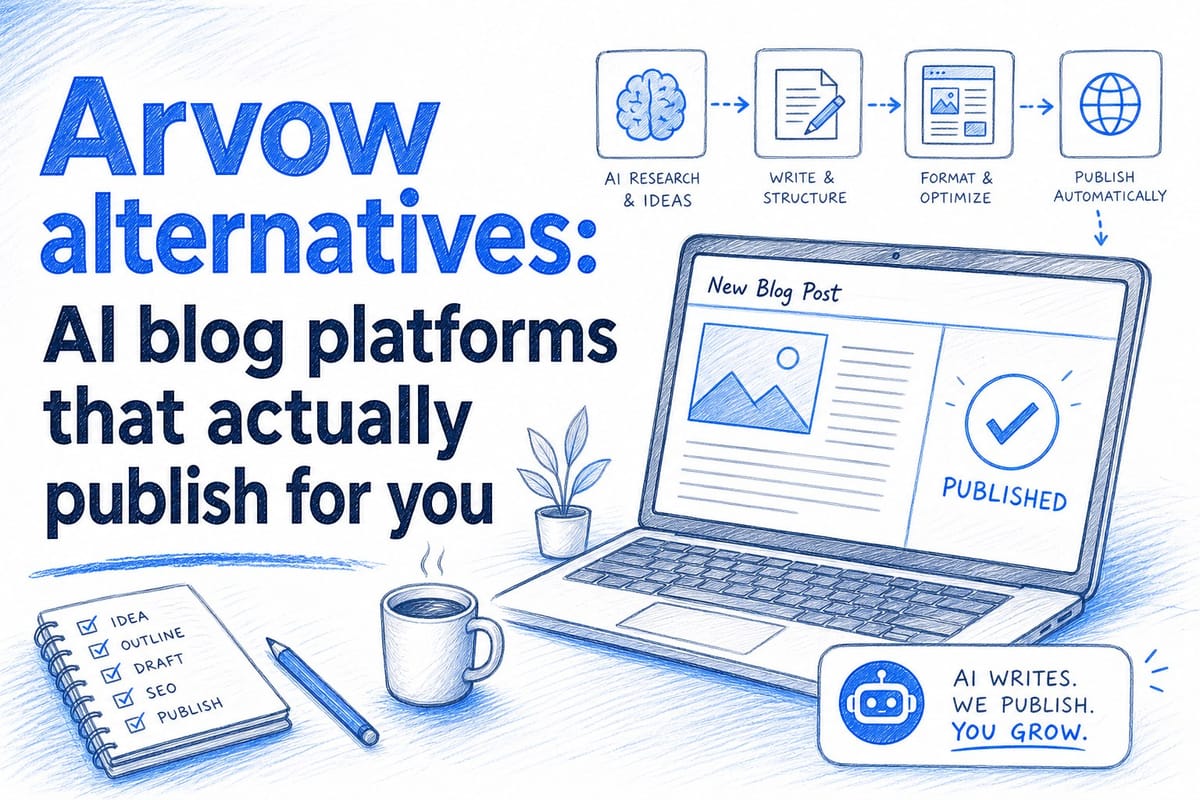
Table of contents
1. What most people actually need from an AI blog platform
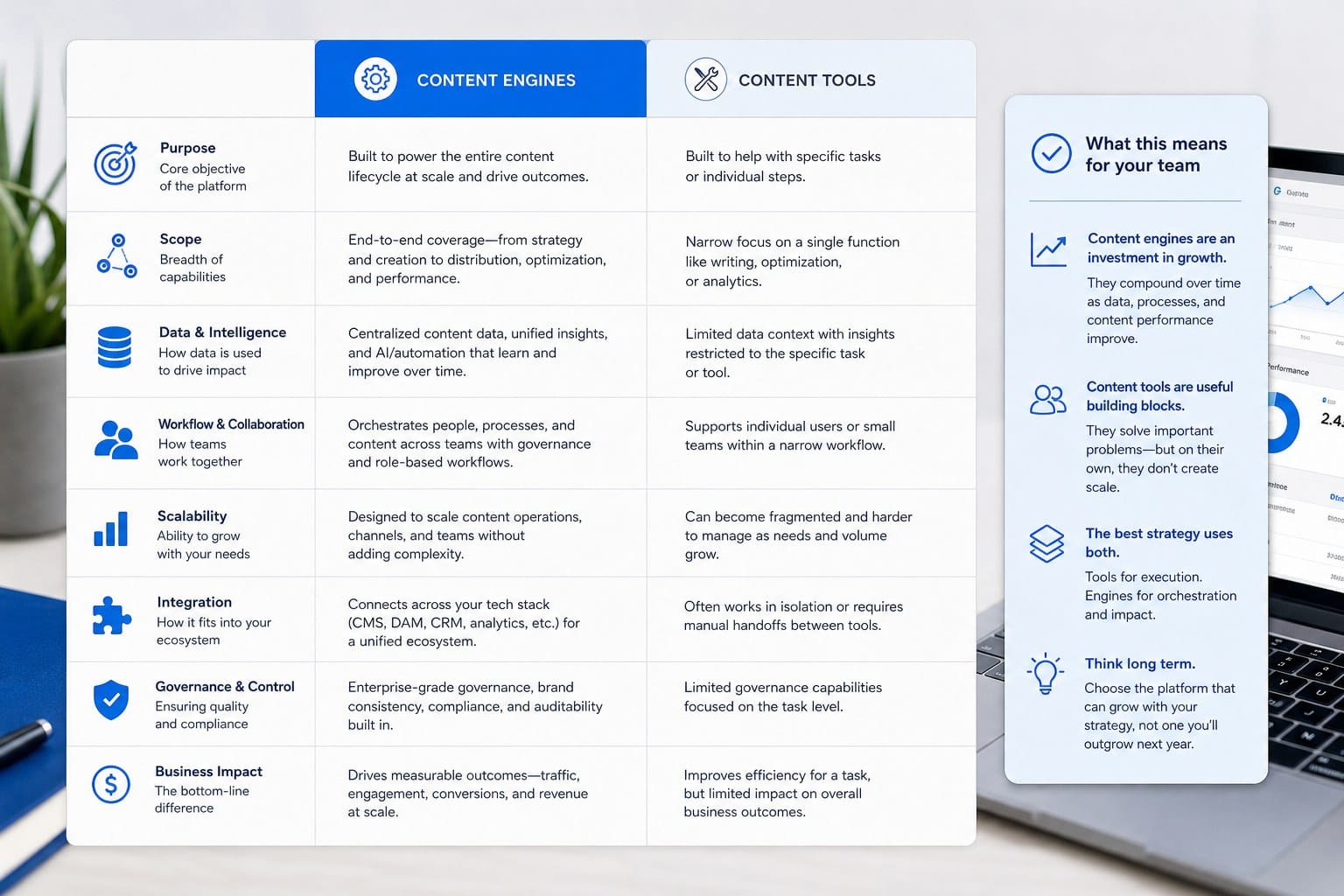
2. The features that separate content engines from content tools
3. Why Blogtude stands out as a full-stack publishing alternative
If you have been using Arvow or shopping around for something better, you are not alone. A lot of bloggers, SaaS founders, and small business owners start with an AI writing tool, hit a ceiling, and then go looking for something that does more. The usual frustration is the same: the tool writes decent content, but you still have to research topics, build a content calendar, source images, and manually paste everything into your CMS. That is a lot of work for a tool that is supposed to save you time. This article looks at what actually matters when you are comparing arvow alternatives, what features to prioritize, and why end-to-end publishing automation is the gap most tools still fail to close.
What most people actually need from an AI blog platform
Before comparing any tools, it helps to be honest about what the job really is. Most people searching for arvow alternatives are not looking for a slightly better AI writer. They are looking for a system that removes the entire publishing workflow from their plate.
Think about everything that goes into a single published blog post. You need a topic that makes sense for your audience and has real search demand. You need to research that topic well enough to say something useful. You need to write a draft, edit it, format it properly, find or generate images that match the brand, and then get it into your CMS with the right metadata. For one post, that might take three to five hours. For a consistent publishing schedule, it compounds fast.
Most AI writing tools solve one slice of that problem. They help you write faster. That is genuinely useful, but it still leaves you responsible for every other step. You are still the one deciding what to write about each week, finding images, and hitting publish. The tool speeds up the writing, but it does not reduce the number of decisions or tasks on your plate.
What growing brands actually need is a content engine, not just a writing assistant. The distinction matters because it changes what you should be evaluating when you look at any platform.
Here are the specific capabilities worth measuring:
Content strategy automation. Can the tool look at your brand, your audience, and your competitive space, and produce a realistic publishing plan? Or does it just wait for you to come up with ideas and then help you execute them?
Research depth. Does the tool produce articles that contain real, verifiable information, or does it generate plausible-sounding text that requires heavy fact-checking before you can trust it?
Visual production. Blog posts without images perform worse in both engagement and SEO. Does the platform produce on-brand visuals automatically, or does that fall back on you?
CMS integration. Can the tool publish directly to your platform of choice? Or does it hand you a Word doc and expect you to handle the rest?
Consistency. Can you rely on this tool to produce content on a regular schedule without you having to babysit it every week?
Arvow positions itself as an SEO content writer, and it does that reasonably well for people who know what they want to write and are comfortable managing the production process themselves. But if you are a founder who does not want to think about content, or a small business owner who needs a blog running in the background while you focus on customers, a writing assistant is not quite enough.
That is the gap the best arvow alternatives are trying to close, and it is worth understanding clearly before you commit to any platform.

The features that separate content engines from content tools
When you start comparing platforms side by side, the feature lists can blur together quickly. Everyone claims to be AI-powered, SEO-optimized, and easy to use. The real differences show up in the details of how each tool handles the full publishing workflow.
Let me break down the layers that matter most.
Content strategy and topic planning
A good content strategy is not just a list of keywords. It is a prioritized plan that considers search volume, competition, topical authority, and your specific business goals. Building that plan manually takes hours of keyword research, competitor analysis, and editorial judgment.
Some AI platforms generate topic ideas when you ask for them. That is useful but still reactive. A true content engine should proactively build a strategy for you, ideally covering a full month or more of publishing in one go. This matters because consistency is one of the strongest signals in SEO. Publishing two posts a month because you got around to it is much weaker than a planned schedule with topical coverage that builds authority over time.
Blogtude, for example, generates a 30-day content strategy as part of its core workflow. That means when you start, you are not staring at a blank calendar. You have a full plan built around your brand and audience before a single article gets written. That is a meaningfully different starting point than a tool that waits for you to decide what to write.
Research quality
This is where many AI writing tools fall short in ways that are not obvious until you read the output carefully. Generic AI content often sounds authoritative while being vague, circular, or simply wrong. If you are publishing content that makes factual claims about your industry, inaccurate information is a trust problem, not just a quality problem.
Deep research means the tool pulls from real sources, synthesizes actual information, and produces articles that say something specific. The test is simple: can a reader learn something concrete from the article, or does it just restate general ideas they already knew?
This is also important for SEO. Search engines have gotten better at identifying thin content. Long-form articles that actually cover a topic in depth, with specific details and genuine information, hold rankings better than fluffy filler.
Visual content
Images are not optional for a professional blog. They break up text, improve readability, and contribute to time-on-page, which is a user engagement signal. Finding the right image for every post is tedious when you do it manually, and stock photo libraries often produce generic results that do not match your brand.
AI-generated visuals have improved significantly, and platforms that produce on-brand images as part of the content workflow save a meaningful amount of time. The key word is on-brand. Random AI images are not much better than random stock photos. What matters is whether the visuals fit the tone and style of your site.
Direct CMS publishing
This is the step that most content tools skip entirely. They produce a finished draft, and then the work of actually getting it onto your site falls back on you. For someone managing a high-volume blog, that manual step adds up fast.
Ghost CMS users have historically had fewer integrated options than WordPress users, which makes direct publishing support particularly valuable for that audience. A platform that can authenticate with your Ghost instance and publish directly, with the right formatting, metadata, and images already in place, removes the entire final step from your workflow.
Blogtude supports direct publishing to Ghost and other CMS platforms, which is one of the reasons it stands out for Ghost users specifically. If you have ever had to manually copy and paste articles from a document into Ghost, clean up the formatting, upload images separately, and fill in metadata fields by hand, you know how much time that process eats.
Consistency without babysitting
The most underrated feature of a good content automation platform is reliability. A tool is only valuable if it keeps working without you having to monitor it constantly. A lot of AI tools require ongoing prompting, review cycles, and manual inputs to keep producing. That is not automation. That is assistance.
True automation means the content pipeline runs on a schedule, produces content that meets your standards, and publishes without requiring your attention every week. That is the standard worth holding any platform to when you are evaluating arvow alternatives.
For a practical look at how a real brand structures its blog for maximum SEO results, the breakdown in How Cabin Plus structures its blog for maximum SEO impact is worth reading. It shows what a well-planned content architecture actually looks like in practice, and it gives useful context for why strategy matters as much as writing quality.
Why Blogtude stands out as a full-stack publishing alternative
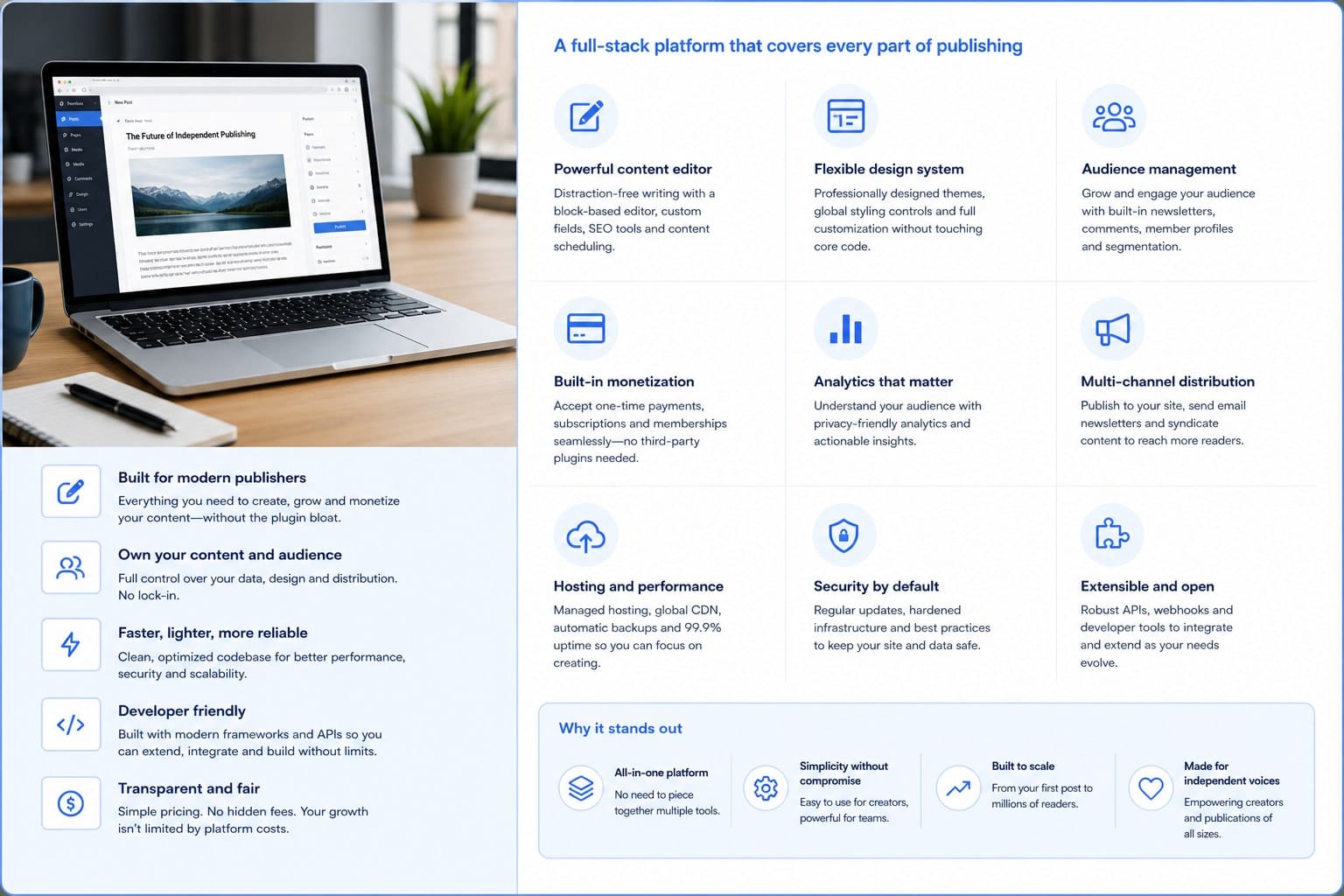
If you have been using Arvow and find yourself doing a lot of manual work around the edges of the tool, Blogtude is worth a close look. It was built specifically to handle the entire content workflow, not just the writing part.
Here is what that looks like in practice.
You start with a 30-day content strategy. Blogtude analyzes your brand and audience and produces a full publishing plan covering a month of articles. You are not responsible for coming up with topics, researching keywords, or figuring out the editorial calendar. That work is done for you before anything gets written.
From there, Blogtude produces long-form articles built on real research. These are not short-form summaries or keyword-stuffed filler pieces. They are substantive articles designed to cover topics in depth, which is what actually performs in search over time. The research component is a meaningful differentiator because it means the articles contain specific, useful information rather than generic observations dressed up with AI fluency.
Each article comes with on-brand visuals. The visual content is generated to match the tone and style of your brand, so you are not getting random stock images or obviously mismatched AI art. The images are part of the finished article, not an afterthought.
And then the article publishes directly to your CMS. For Ghost users, this is particularly significant. Blogtude integrates directly with Ghost, which means the entire process from strategy to published post happens without you having to manually move anything. For SaaS founders and small business owners, that is the difference between a blog that actually runs and a blog that is perpetually half-finished because the manual steps keep getting deprioritized.
Who this is for
Blogtude is a strong fit for a few specific types of users.
Independent bloggers and content creators who want to scale output without hiring writers or editors. If you are running a blog yourself and you want consistent publishing without spending your weekends on content, an end-to-end system is what you need.
SaaS founders and startups who understand that SEO-driven content is a growth channel but do not have bandwidth to run a content operation themselves. Blogtude lets you treat your blog like an automated growth function rather than a manual project.
Small business owners who know they need a blog but keep deprioritizing it because research and writing take too long. Handing the entire workflow to an automated system makes it realistic to stay consistent.
Digital marketers managing brand blogs who need a reliable pipeline. If you are responsible for a blog's performance but you are also managing other channels, having a tool that handles strategy, writing, visuals, and publishing reduces the cognitive load significantly.
Ghost CMS users specifically. Ghost is a genuinely good platform for professional blogs, but it has fewer native integrations than WordPress. Blogtude's direct Ghost publishing support is a real advantage for anyone who has chosen Ghost as their CMS.
How it compares to Arvow on the specific gaps
Arvow is primarily an AI article writer. It helps you produce SEO content faster if you know what you want to write and you are comfortable handling everything else yourself. For some users, that is exactly what they need.
But if you are regularly finding yourself in one of these situations, that is a signal that you need something more:
You spend more time figuring out what to write than actually writing. A content strategy tool solves this. Arvow does not provide one natively.
You write an article and then it sits as a draft for a week because you have not had time to find images and format it for your CMS. An automated publishing pipeline solves this. Arvow does not publish for you.
Your blog publishes inconsistently because life gets in the way. A scheduled automation system solves this. A writing assistant only helps when you are actively using it.
You have been using Arvow but you are not seeing organic traffic growth. This is often a strategy problem, not a writing quality problem. If you are publishing in an uncoordinated way without a topical authority strategy, the volume of content matters less than its structure and coherence.
For a wider look at the category of tools that solve these problems, the comparison in Outrank.so alternatives: the best AI blog tools to replace it covers how the landscape has evolved and what the best options look like across different use cases.
And if you want a direct breakdown of how Blogtude approaches the problem differently from other AI content platforms, Outrank.so alternative: why Blogtude may be the better fit covers the core differences clearly.
What consistent publishing actually does for SEO
It is worth taking a moment to explain why all of this matters from an SEO standpoint, because this is where the investment pays off.
Search engines reward sites that publish consistently on topics relevant to their audience. A site that publishes two articles and then goes quiet for three months is not building topical authority. A site that publishes twelve well-researched articles per month on a coherent set of topics is building a signal that it is a reliable resource on those subjects.
Topical authority also compounds. Early articles establish your presence on a topic. Later articles go deeper, cover adjacent questions, and link back to earlier content. Over time, this creates an interconnected content network that search engines read as genuine expertise. That is very different from a collection of unrelated articles published whenever someone had time.
This is why the strategy layer matters so much. Writing good individual articles is valuable, but writing them as part of a coherent plan is what actually moves the needle in search over six to twelve months.
For growing brands with limited resources, the most important thing is finding a system they can actually stick to. That means removing as many manual steps as possible. Research, writing, visuals, publishing. The fewer of those steps you are responsible for, the more likely you are to maintain a consistent publishing schedule. And consistency, more than any single article, is what drives organic traffic growth over time.
If you have been searching for arvow alternatives because you feel like you are doing too much work around the edges of your current tool, that instinct is right. The goal is not to find a slightly better writer. The goal is to find a system that handles publishing from strategy to live post, without requiring your attention every week. That is what a content engine does, and it is the standard worth looking for.
Ready to take the next step?
If you are ready to stop managing every step of the blog publishing process yourself, Blogtude is built to handle the whole workflow for you. From a 30-day content strategy to researched long-form articles with on-brand visuals to direct publishing on Ghost and other CMS platforms, it is designed to keep your blog running consistently without manual effort. Visit https://blogtude.com to see how it works and get started.


